Hidden Well, Salty Water in Wilton: Fix It or Walk Away?
My client was buying a 1977 Colonial in Wilton, CT, served by a private well. Before he could close, he needed to know two things: where the well was, and what was in the water. Not every inspection finding is visible from the driveway. Sometimes you have to follow the clues, and the answers can put a purchase in question.
The Hidden Well
At the inspection, the well was nowhere to be found. No visible wellhead, no obvious casing. The listing agent had included the well completion report in the property package, and the buyer’s agent smartly pointed me to it. It included an as-built drawing filed with the town.
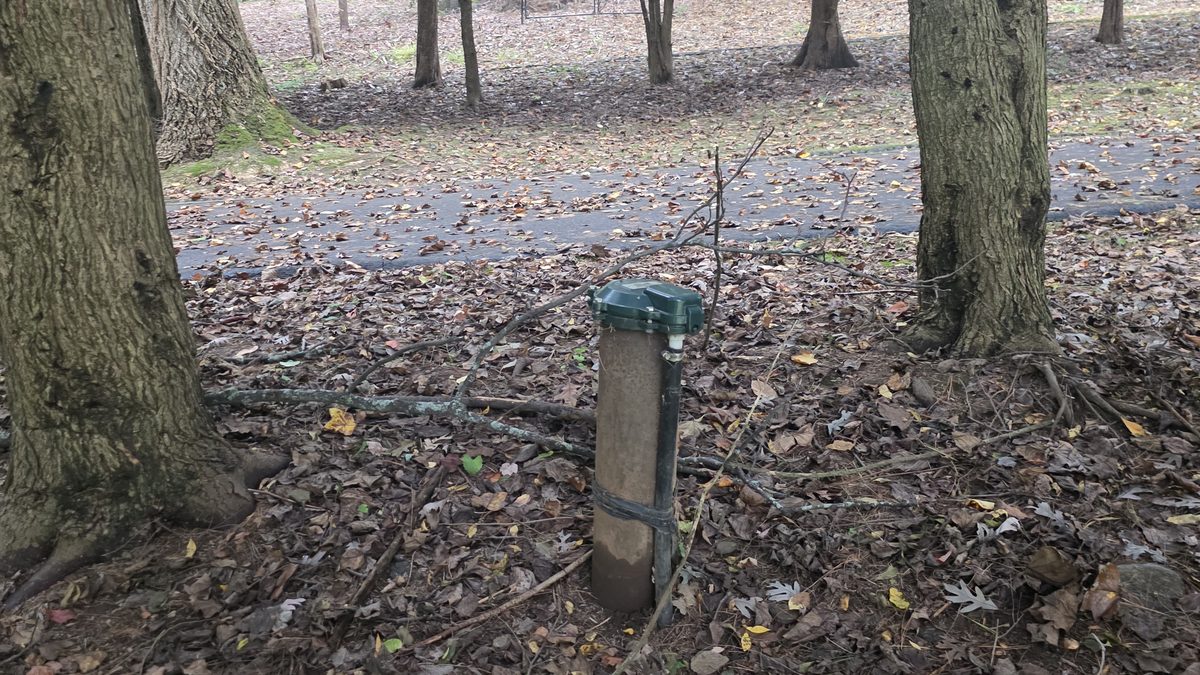
Using that drawing, we located the wellhead, tucked inside a stand of Douglas fir trees and just a few feet from the neighbor’s asphalt driveway.
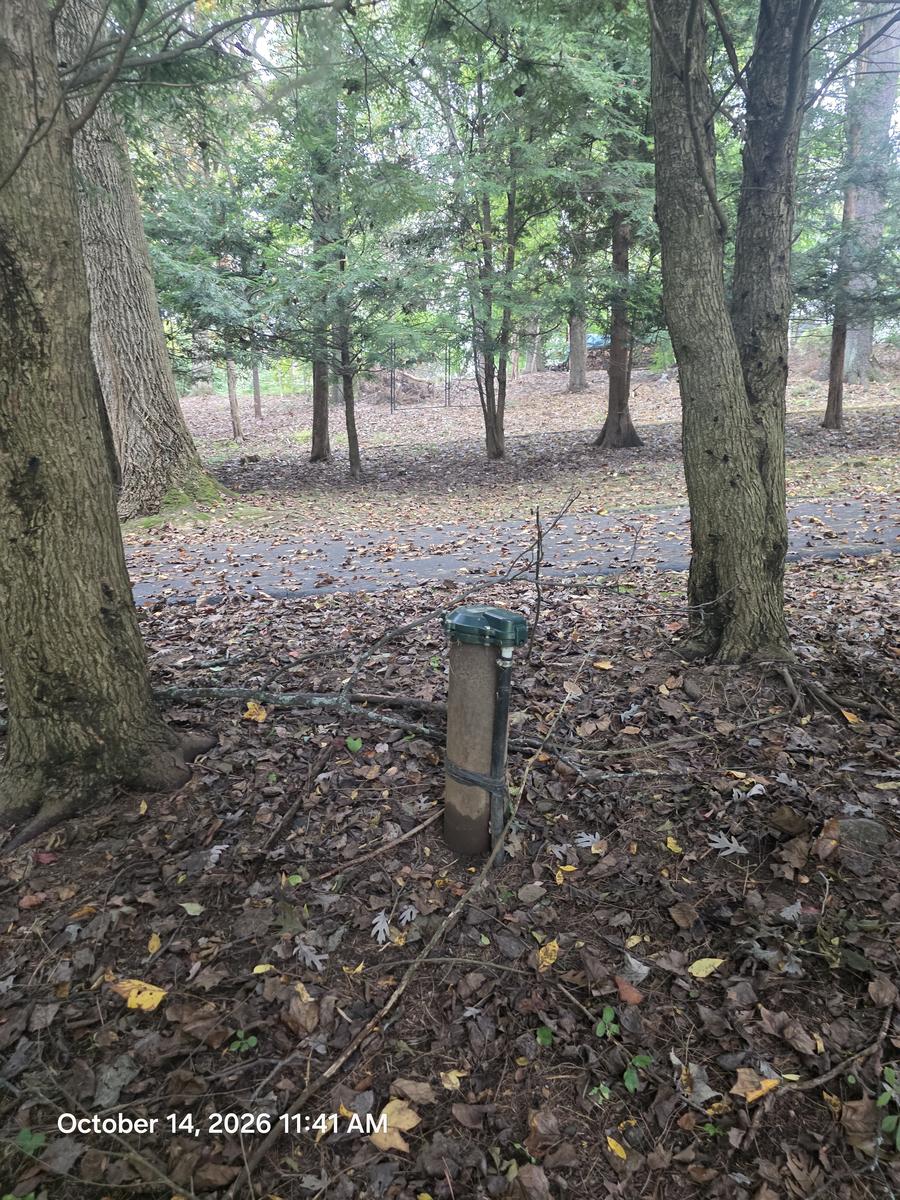
Tip for buyers: Ask for the well completion report early. In many Connecticut towns, it’s on file with the health department and can save a lot of searching.
Tree roots seek out water, and over time they can work into a well casing. That was the first thing I flagged for my client.
The Well Water Test Results
I collected well water samples at the end of the inspection, and the results came back three business days later. Good news: no bacteria, so the water was potable. The surprise: sodium came in at 202 mg/L, more than twice the limit set by the EPA at 100 mg/L. That matters most for anyone on a low-sodium diet.
Live With It, Fix It, or Walk Away?
Now my client faced the question every buyer faces after a significant finding: is this a problem, and if so, is it one I can live with, fix, or do I need to walk away?
The water was safe from bacteria, but salty enough to matter. Whether this was a fixable nuisance or a reason to reconsider depended on one thing: why was the sodium so high? A cause inside the house might be easy to correct. A cause outside the property line might never go away.
What Causes High Sodium in Well Water?
Two common culprits are water softeners and road salt. We checked both.
Suspect #1: the water softener. Softeners add sodium to water, so that was the obvious culprit. But my client remembered a detail: the softener’s salt tank was empty. Case dismissed.
Suspect #2: road salt. Looking back at the report, chloride was also elevated at 229 mg/L, approaching the EPA guideline of 250 mg/L. High sodium plus high chloride points to sodium chloride: rock salt. Then the earlier clue clicked. That well sits right beside the neighbor’s driveway, where de-icing salt gets spread every winter and can leach into the groundwater.
The Decision: Fix It and Close
The source was outside the property and wasn’t going away, so the answer had to be treating the water. I recommended my client consult a water treatment specialist. The likely solution is a reverse osmosis system at the drinking-water taps, which effectively removes sodium and chloride.
That turned an open question into a fix-it problem with a known solution. With a clear path forward, my client decided to move ahead and closed on the house.
What I’d Tell the Next Buyer
If you’re buying a home with a private well in Fairfield County:
- Get a full water quality test, not just bacteria. Potable doesn’t mean problem-free. This well passed for bacteria and still had a sodium issue.
- Find the cause before you decide. The same sodium number means something very different if it comes from a softener you control or a driveway you don’t.
- Know what’s around the wellhead: driveways, roads, trees and septic can all shape what ends up in the water.
For another buyer who had to decide what a lab result meant for their purchase, read about a lead service line in a 1907 Bridgeport three-family.
Well Inspection & Water Testing
Add-on services
Buying a home with a private well in Fairfield County? Get the facts you need to decide before you close. Add a well inspection and full well water quality testing when you book your Maxim home inspection.
Schedule Your Inspectionor call/text 203-456-9500